How Too Many Deer are Reshaping Illinois
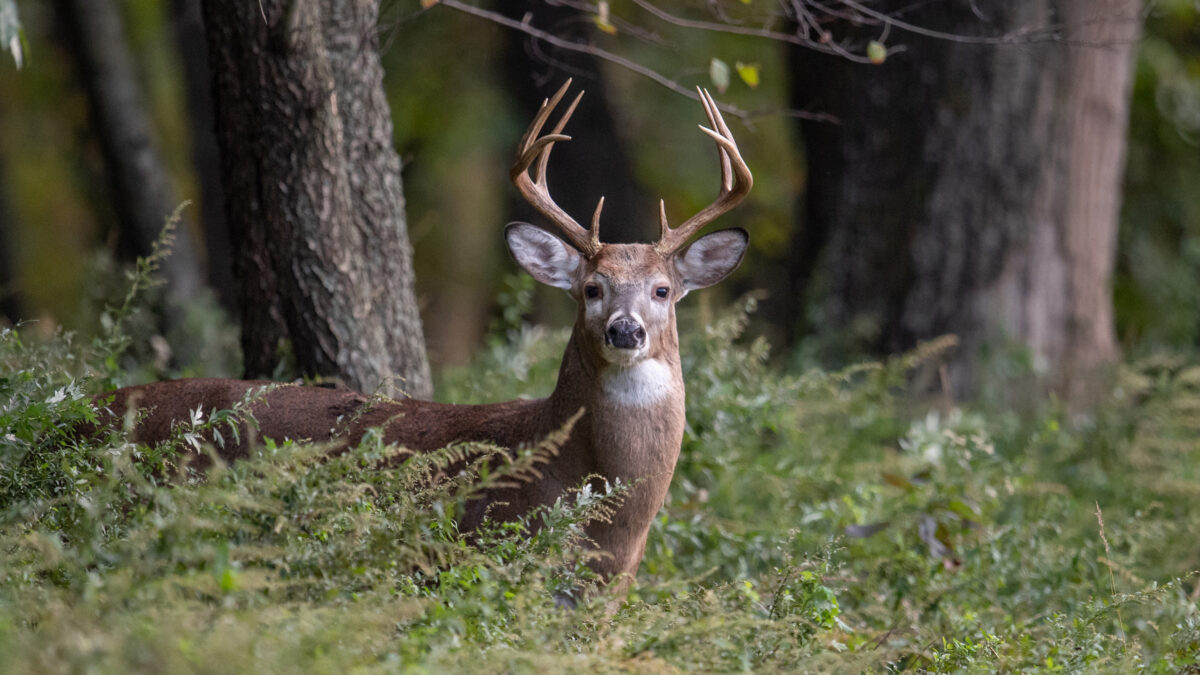
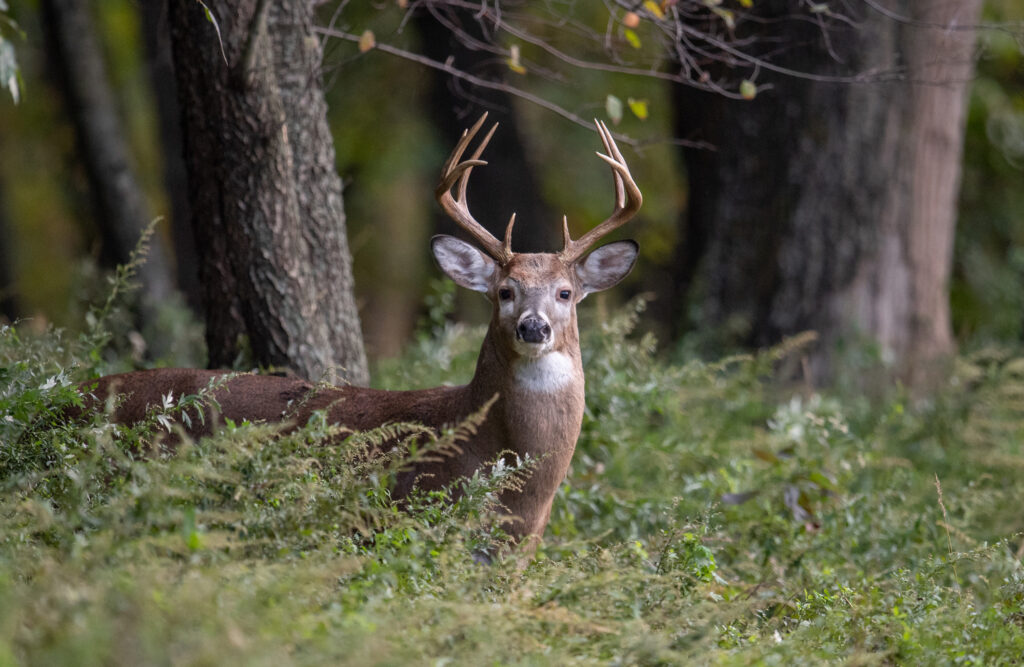
A white-tailed deer buck in Pennsylvania. (Harry Collins/Dreamstime/TNS)
Andy Herrero, a State Farm agent in Downers Grove, had barely looked up from the papers on his desk when he received another call from a driver who had just hit a deer. For Herrero, these calls are starting to become a lot more common, especially in the fall and winter seasons.
In Illinois, white-tailed deer are overpopulating ecosystems while simultaneously sending drivers into financial fiascos and putting them at injury risk, and sometimes even death.
“A lot of cars can get totaled from deer collisions,” said Herrero. “Even crashes at moderate speeds can cost thousands in damages.”
Deer don’t just affect Illinois drivers, however. Throughout Illinois, white-tailed deer have rapidly expanded, and the state’s ecosystems are feeling the effects. Illinois had 730,000 white-tailed deer in 2024, which was an increase by 90,000 deer since 2021, according to information from the Illinois Department of Natural Resources. This is a sudden and surprising spike, as the population had been relatively steady for the last eight years. Ecologists warn that this deer overpopulation can prevent biodiversity from expanding.
“It’s definitely difficult to control an entire population,” said DuPage Forest Preserve ecologist Brian Kraskiewicz. “The deer over browse the trees and eat the native plants, and that’s going to negatively impact our thriving ecosystems.”
White-tailed deer are classified as herbivores, which means that their diet mostly consists of plants. When there are too many deer in an ecosystem, they can over browse and consume the native plants, which heavily reduces the biodiversity in that ecosystem, according to an IDNR deer management infographic. These negative impacts are also passed down to the other wildlife species that depend on the plants for food and shelter.
The vegetation that protects the birds that nest on the ground can also be lessened, Kraskiewicz said.
Illinois wildlife officials have incorporated a strategy in an attempt to fix this issue. Officials have resorted to measures such as deer sharpshooting programs along with regulated hunts. These strategies take place in mid-January after the archery season is over.
“Regulated hunting is definitely an effective way to manage the does, at least from what me and other hunters have seen,” said Rick Davidson, owner of Illinois Dominant Bucks.
It’s very important when carrying out these hunts to focus on does, which are the female deer, because they essentially control the future of the species. When wildlife officials and sharpshooters reduce the amount of breeding does, the goal is to stabilize the population and lower the overall number of herds.
According to a report from the IDNR, Illinois hunters harvested 171,322 deer from October 2024 to January 2025. Hunters harvested 46.7% female deer in the 2024-25 hunting seasons according to a separate report from Illinois.gov.
“In the wintertime, we started a sharpshooting program with the USDA, and so far it has worked out for us,” said Kraskiewicz. “The goal isn’t to eradicate deer, they’re important for the ecosystem too. But with this strategy we’ve seen more plants and species flourish.”
The impact of deer overpopulation goes beyond just ecosystems. It also reaches the roadways, and drivers’ bank accounts.
Illinois experiences thousands of deer-related vehicle collisions every year. While these deer collisions can cause extensive car damage and injury, in rarer instances they can also cause fatalities. In 2024, 14,426 collisions involved deer, accounting for about 5% of all crashes statewide, according to the Illinois Department of Transportation.
Of those collisions, 697 resulted in injury, and five resulted in fatalities.
“With the way that a lot of cars are built nowadays, deer collisions can do a lot more damage to vehicles and cost a whole lot more than they did 5 to 10 years ago,” Herrero said.
A lot of modern cars have advanced front end sensors, along with back cameras and built in safety features to protect drivers. And while they usually do a good job, they can also cost an arm and a leg to repair or replace after an accident.
Deer are one of the most unpredictable hazards a driver can run into. It’s the most prominent in the fall and winter months, when the deer movement increases due to mating season, according to IDNR director Colleen Callahan.
“Deer collisions are pretty tough to navigate because no one is really at fault,” said Herrero. “Thousands of deer related accidents in Illinois alone are completely swallowed by the insurance companies and other policy holders because they happen so quickly.”
Dusk and nighttime hours also tend to bring the most risk for deer related collisions. Around 61.8% of deer related crashes happened at night in 2024, while only 20% of collisions happened during the day, according to data from IDOT.
Apart from sharpshooting and hunting, IDOT has also incorporated the Don’t Veer for Deer campaign. IDOT has used this campaign to alert drivers not to swerve in the case of an unavoidable deer collision.
The campaign also urges drivers to slow down in case of herds and to always be prepared for sudden deer encounters.
“For drivers during deer season, it’s absolutely crucial to be aware of your surroundings and know if there’s a lot of forestry in your area,” Herrero said. “Especially around October and December, when deer move a lot more, it’s important to have your brights on.”
As Illinois continues to battle the challenges that are brought by deer overpopulation, the state’s approaches show a balance between protecting ecosystems, drivers, and stabilizing a species that is an integral part of the environment. From the work of ecologists and regulated hunters to driving awareness campaigns, each of these efforts play a role in keeping the deer population in Illinois in check.
And while deer remain an important part of Illinois ecosystems, managing their numbers responsibly supports biodiversity without one species over dominating, all while keeping Illinois’ drivers safe.