Generation Debt: Restrictive Zoning Laws Reduce Gen Zers Chances of Home Ownership After College


“A For-Sale sign in front of a house. (PC: Dreamstime/TNS)
For Gen Z students graduating from college, independence isn’t represented with a key to a new apartment — it’s debt. With rising housing costs, stagnant wages, and limited affordable options, many Gen Zers are moving back home with parents and struggling to think they will ever be homeowners.
Senior Wrigley Page has lived on campus throughout her four years at Elmhurst University. After her education, she feels her most practical choice is to move back home.
“My plan is to move back in with my parents. It’s not ideal, but it makes the most sense right now. They won’t charge me rent as long as I’m actively working toward something,” said Page. “Instead of paying rent, I’m putting that money into savings with the goal of owning a home one day. I’ve been saving since freshman year for that.”
Page currently works three jobs: two on campus and one at home. The stress of rising costs makes it difficult for her to spend her money on what she needs.
“I always feel bad buying literally anything,” said Page. “I’ll be buying $50 worth of groceries every other week, and I’m like, do I really need this, and my parents are like it’s food, you need it, and I’m like I’m sure I could find something cheaper, maybe I’m just eating too much.”
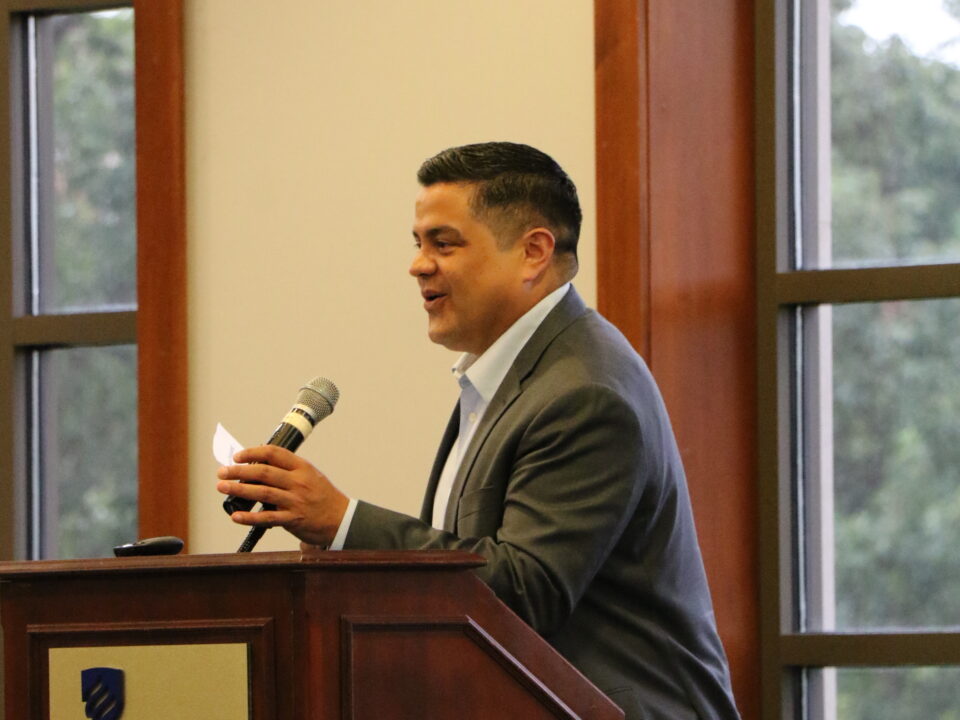
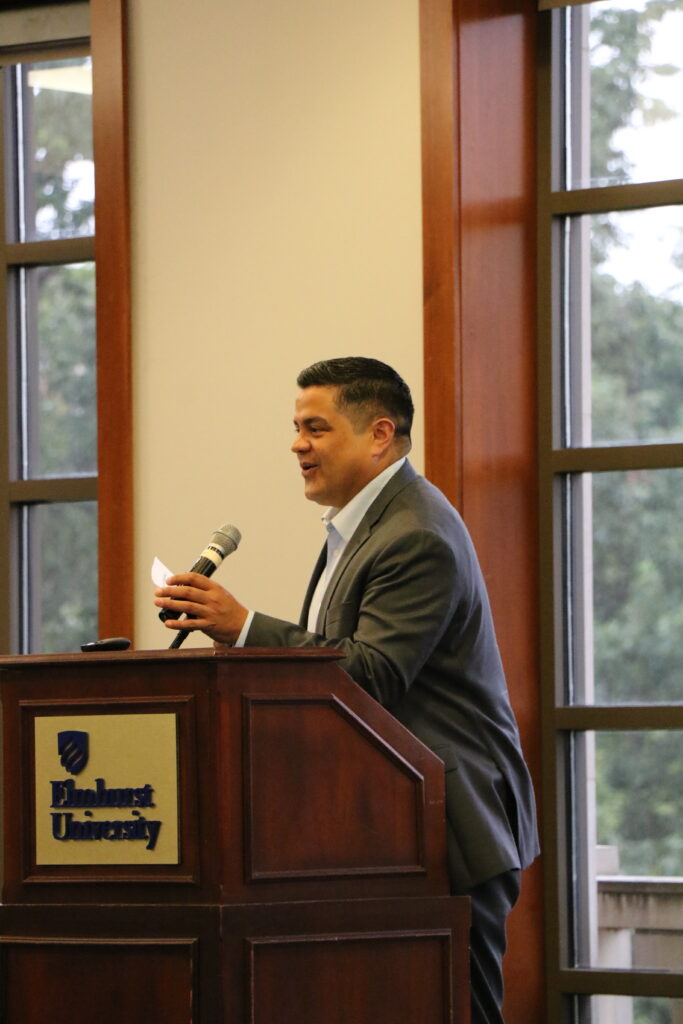
Adjunct professor in the political science and urban studies program Scott Braam explained how restrictive zoning laws can exclude certain communities.
“In San Francisco, the teachers don’t live in San Francisco because they can’t afford to live in the city,” said Braam. “Exclusatory [sic] zoning can literally tell you who’s going to live in that community.”
Braam emphasized how homeownership helps to build wealth across generations.
“The whole homeowner emphasis is because it builds wealth within a family,” said Braam. “When you have somebody who owns a house in the family, they pass it down. It becomes more important. Having capital, having a house, having property—salary is one thing—but wealth really comes from owning. Gen Z struggles in a lot of ways. One of them is this: Gen Z doesn’t have the same opportunities to buy a house as early in their lives as other groups did.”
In Lincoln Park and other north side neighborhoods in Chicago, zoning laws restrict a majority of the land to one or two-family homes, making it illegal to build larger apartment buildings.
Also, rules on height, lot size, and other factors can limit how many housing units can be built on a given lot. The reduced supply of homes that can be constructed in these desirable areas can increase competition and push prices upwards.
On the other hand, a location like Houston’s lack of zoning allows for flexibility and better affordability but also creates challenges like incompatible land uses and increased traffic.
Director of the urban studies program and professor of political science, Dr. Constance Mixon, explained the struggles of navigating zoning laws.
“There’s good reasons for zoning, but zoning can also be used in bad ways when it’s used to exclude people. So, I think there’s got to be a happy medium between the two,” said Mixon.
Mixon also explained how homeownership has long been seen as a key component of the American dream, a mindset rooted in federal housing policy dating back to the new deal and post-World War II era.
“Our federal government has incentivized homeownership, and we’ve been told we have to own a home,” said Mixon. “You’re taught that from the time you’re a kid. This isn’t true in other countries; other countries rent. We are very unique in the United States in that we push this homeownership idea. But, if you buy a home, then you’ve got to buy all these appliances and things to fill it up with,“ said Mixon.
Elmhurst is considered an affluent community. Such communities are typically prone to restrictive zoning laws. This tendency can particularly impact public servants such as police, firefighters, or teachers who typically do not earn high wages.
“You have to have middle-class housing too,” said Braam. “The working poor, you call it right? People who have jobs, who work forty hours a week, they might even work two jobs, and they can’t afford a house to live in Elmhurst.”
Senior Elmhurst student Treasure Keys is a computer game engineering digital media major. Keys expressed concerns about living in the communities where her career is booming.
“It would be 10 times more expensive,” said Keys. “A lot of the jobs I want are really big in San Diego with the gaming companies, but the cost of living in California is more expensive, and as of right now, it’s hard to break into that industry post-grad.”
Despite the concerns, change is slow. Mixon explained that while the road to solving affordable housing may be complex in the tools utilized to do so, one of the biggest barriers to change is a lack of citizenry.
“It’s easy to change a zoning restriction,” said Mixon. “It’s not so easy to get the political will, because the political will doesn’t exist to do it when you don’t want [housing construction] in your backyard… Ultimately, it’s going to take citizens banding together in some sort of coalition to try and get action from the government.”