Generation Debt: How Student Loans are Shaping Gen Z’s Future
Elmhurst University junior Johnathan Campbell recently took out a $7,000 loan to cover room and board for the 2025-2026 school year. By the time he finishes paying it off, he expects to owe around $16,000 — and that’s only a portion of his total college debt.
The cost of higher education continues to climb, and students are increasingly questioning whether a college degree is worth the financial investment. Shifting federal policies have left many borrowers unsure of what support they can expect.
With the Biden administration’s loan relief efforts partially failing and new legislation emerging under the Trump administration, students like Campbell are left navigating uncertain financial futures.
EU’s tuition and living costs rose again for the 2025-2026 academic year, with undergraduates now paying $43,983 in tuition and $12,771 for room and board. According to 2023 data, 70% of EU students graduate with loans and with a median debt of $30,311.
Junior Star Herring transferred to EU after two years at community college, hoping to save money and avoid student loans. But with EU’s annual cost exceeding $50,000, her family has now decided to take out loans to help cover the expense.
For many, student loans are their first major debt, but not everyone fully understands how they work. Associate director of financial aid counseling Megahn Webber has had conversations with students unfamiliar with foundational concepts.
“There are some students that come in and I kind of assume they have a certain amount of knowledge, and that’s not always the case, right?” said Webber. “I’ll start talking about loans to students, and I’ll start talking about interest rates, and see their eyes glazing over. I’m like, okay, you don’t know what an interest rate is — which is fine. We are here to help with that.”
Webber added that not many students have spoken with her directly about whether their degree will provide a return on investment (ROI) when deciding to borrow.
“I think [ROI is] something that’s valuable to talk about,” said Webber. “The way that I frame it is a loan is an investment. You’re investing in the loan to get the degree, to get the job, to pay that back. I think it is part of the conversation.”
Johnathan Campbell originally enrolled as a music major, but switched to a business degree after concerns about future income and debt repayment.
“I know with my music degree, it would be very hard to [pay back my debt],” said Campbell. “I didn’t want to teach, and a lot of jazz performers had to teach to make ends meet. I ended up going with business, and it does give me more confidence to be able to pay things back.”
Campbell said in high school, counselors encouraged him to attend a four-year university. This became an ultimately costly decision.
“I kind of wish that somebody told me that when I was a senior in high school,” said Campbell. He now encourages younger students to consider community college first.
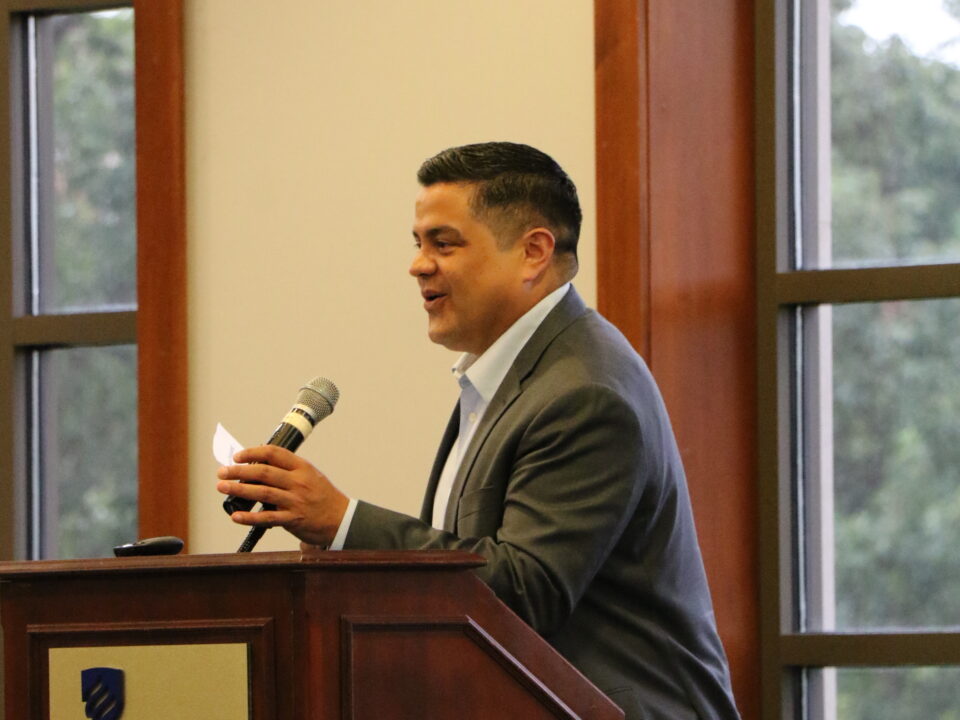
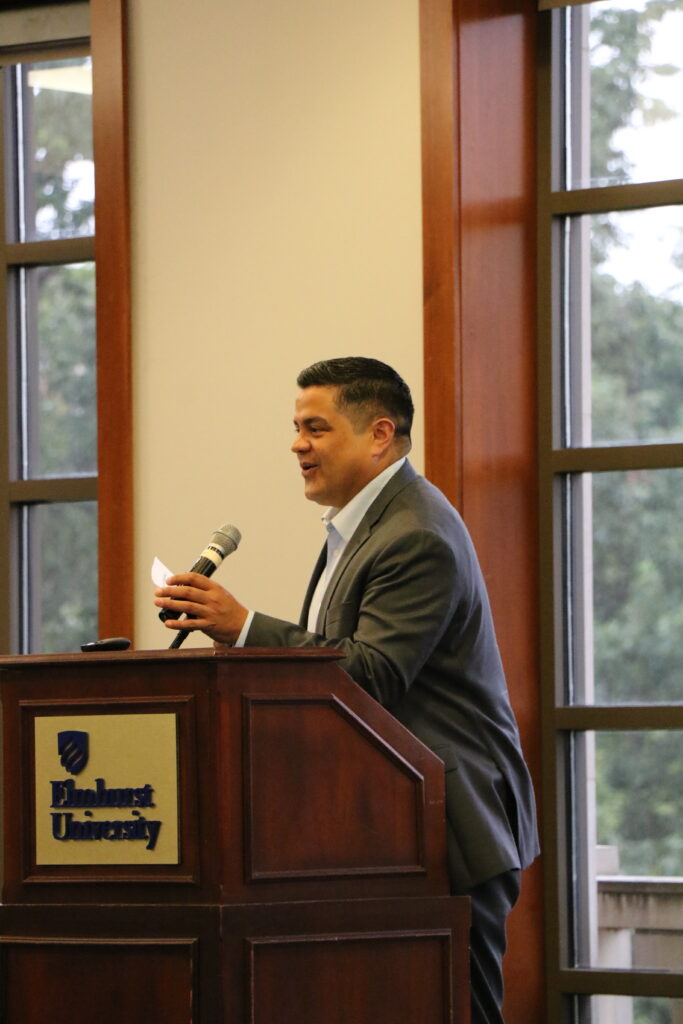
Senior Director of Student Financial Services Nathan Hancock explained how the university offers support to help students and families who borrow loans.
“Whenever a loan disburses, we notify students, and parents if it’s a parent loan, about that disbursement and what it means,” said Hancock. “We send routine reminders throughout the year, just to make sure that nothing’s happening without them being aware of it.”
Hancock emphasized the broader need for financial literacy in the current, complex economy.
“I would say more than ever financial literacy is crucial,” he said. “You’ve got credit card debt skyrocketing, probably higher than it’s ever been, a way more complex financial system than existed even five or 10 years ago. So, I think it is crucial for quality of life when you get out of college.”