What’s Shaping November’s Midterms? Political Science Professors Answer
With just a week remaining before the closely watched congressional midterms, The Leader asked political science professors at Elmhurst University to share what electoral trends are at the forefront of their minds.
Faculty highlighted multiple trends defining November’s elections, including political polarization, economic circumstances, the unfolding Iran war, Democrats’ chances of flipping Congress, voter turnout, and electoral accountability.
The professors focused on different political lenses but agreed that this election will be dictated by how global and economic factors influence voters, and whether the country can accept final results.
“Elections only work if the losing side accepts defeat, and public confidence that this election will be run fairly is lower than it has been in years,” professor of political science Constance Mixon said.
Constance (Connie) Mixon, Ph.D., Director of Urban Studies Program and Professor, Political Science
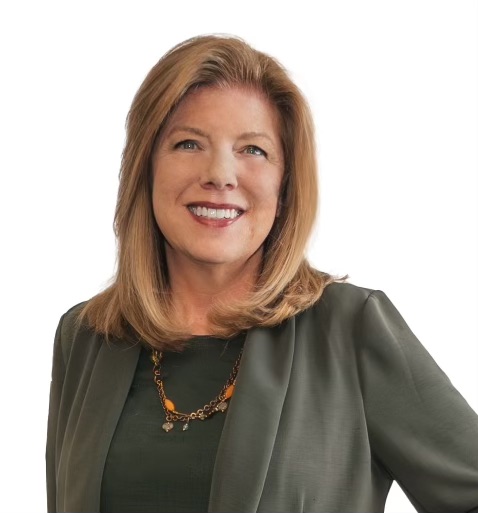
Constance Mixon
Mixon said she’s paying close attention to the cost of living. She said midterms are typically a referendum on the party in power, and that gas and grocery prices will surely impact votes.
“Voters don’t experience foreign policy as foreign policy; they experience it as a $60 fill-up,” Mixon said, referencing the war with Iran.
Mixon is also curious to see how Republicans’ redistricting efforts last summer will turn out for the party this November. She said while maps redrawn early give the party an edge before the midterms, it also spreads their voters thinner, potentially allowing Democrats to flip seats in places like Texas.
But Mixon said what concerns her the most is what happens after the votes are counted.
“The most important test of this midterm may not be who wins, but how we all respond to the results,” Mixon said.
What fascinates Mixon the most is young voters. She said that many young men in 2024 gravitated towards President Donald Trump, but just two years later, young voters are now moving the other direction. Gen Z, she said, isn’t loyal to either party — they’re loyal to results. She also said she’s noticed a gender gap, with young women leaning more progressive.
“That matters because party identities formed in your 20s tend to stick, so the choices this generation makes now could shape American politics for decades,” Mixon said. “My message to Elmhurst students is simple: You are big enough to decide close elections, but only if you show up.”
Timothy Hazen, Ph.D., Associate Professor, Political Science
Associate professor Timothy Hazen said that, as a world politics professor, he’s most fascinated by foreign policies. While domestic issues typically influence voters more than foreign policy, when these policies do play a role in elections, incumbents usually suffer, Hazen said.
“Voters tend to punish incumbents for ‘bad’ foreign policy more than rewarding incumbents for ‘good’ foreign policy,” Hazen said. “It appears that might be the case with the midterms.”
Hazen pointed The Leader towards a Pew Research Study that found that the Iran war is deeply unpopular with Americans who see no quick way out. And with the political left most concerned with the Israel-Palestine conflict, some Democratic candidates are taking a critical stance with Israel, he said.
“It will be fascinating to see how they fare in their elections,” Hazen said.
The unpopular tariffs impacting the economy are also a top issue for voters, all of which Hazen said will allow Democrats seats as Americans are disliking these Republican-backed foreign policies.
Scott Braam, Ph.D., Adjunct Faculty, Political Science and Urban Studies Program

Scott Braam
Adjunct faculty of political science and urban studies Scott Braam said Democrats appear to have the upper hand heading into midterm elections, despite both political parties lacking favor with Americans.
While he said there are certain conditions that could allow Democrats to flip Congress, gerrymandering and redistricting, coupled with major donations for Republicans in races, might prevent that from happening. Still, he said he predicts Democrats will gain a majority in the House, while the Senate will be a close call.
Braam explained that “the economy will certainly play a major role” and noted issues like inflation, housing affordability, and grocery prices, all of which have only been exacerbated by the Iran war and the Strait of Hormuz pushing higher energy costs.
“We also have to remember that the American economy is incredibly stratified,” Braam said. “What looks like a terrible economy to working-class Americans might look quite different to wealthy Americans.”
Braam said that the most important thing to watch this November is whether parties respect the results, and what that indicates about where American democracy is headed.
“Trump has already demonstrated an unwillingness to accept electoral defeat, and we’ve seen continued efforts to restrict voting access and cast doubt on election legitimacy,” Braam said. “These tactics strike me as disturbingly authoritarian.