Kevin’s Journal: The Shocking Truth About the Death Penalty

Illustration by Serhii Mahula
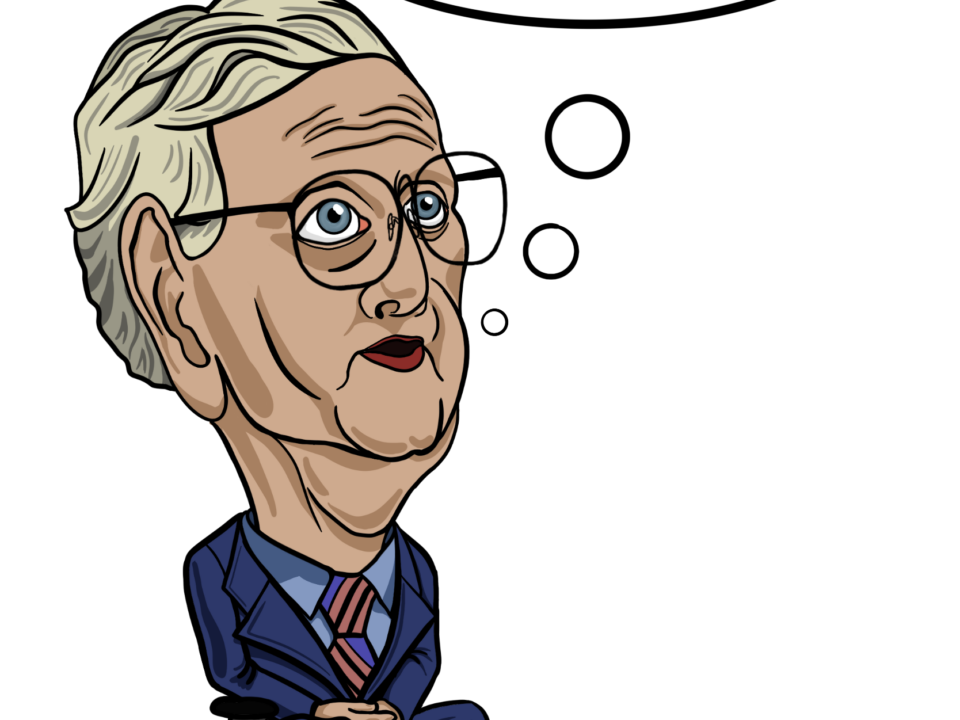
The death penalty is coming back into fashion, and it provides a scary insight into our country as a whole. We have already had a botched execution in Tennessee of Christa Pike and discussions of a public execution for Nidal Malik Hasan, perpetrator of the 2009 Fort Hood mass shooting. The broadcast was announced by Defense Secretary Pete Hegseth but has been shut down by President Trump.
This country has a long history with the death penalty, and a lot of it is embedded with racism and classism. A lot of people in our prison system are from unfortunate circumstances that they cannot change, whether it be due to drug charges or falling in with a gang.
The prison system has long been used as a punishment for crimes that society deems as wrong when they should be receiving help from a therapist, social worker, or rehab specialist. A lot of people end up reoffending and continue on the never-ending cycle until they eventually die in prison or on the streets.
“When European settlers came to the new world, they brought the practice of capital punishment,” states the Death Penalty Information Center. “The first recorded execution in the new colonies was that of Captain George Kendall in the Jamestown colony of Virginia in 1608. Kendall was executed for being a spy for Spain. In 1612, Virginia Governor Sir Thomas Dale enacted the Divine, Moral and Martial Laws, which provided the death penalty for even minor offenses such as stealing grapes, killing chickens, and trading with Indians.
We took a lot of our early death penalty system from Britain, which would put people to death for crimes such as stealing, and even crimes that are not crimes anymore like cutting down trees or marrying a Jewish person.
“A person doesn’t have to be innocent to be wrongly sentenced to death,” according to the Equal Justice Initiative. “The intense pressure to obtain a death sentence and the political stakes for police, prosecutors, and even judges can cause serious legal errors that contribute to wrongful convictions and death sentences. In Alabama alone, over 160 death sentences have been invalidated by state and federal courts, resulting in conviction of a lesser offense or a lesser sentence on retrial.”
Even if someone committed a serious crime like murder or terrorism it does not mean their punishment should be the same as their crime. Think about that. Why would you make murder a crime and then murder a criminal as a result of their actions?
Pike has been on death row for 30 years and Hasan for 13 years. Think about how that affects people’s minds imagining their deaths over and over, not knowing when it would happen. A lot of these delays come due to them filing legal challenges, but the death penalty should still not be an option for anyone, no matter the crime.
These punishments come from an ancient time and seem to be bringing their own brand of ethics into the equation. When someone decides to punish someone with a punishment that has been around since the founding of our nation, it forces you to think thoughtfully. Does this country truly care about our most vulnerable populations, or are we just looking for a scapegoat for our moral failings?