Sleep Tips for a Better Finals Season
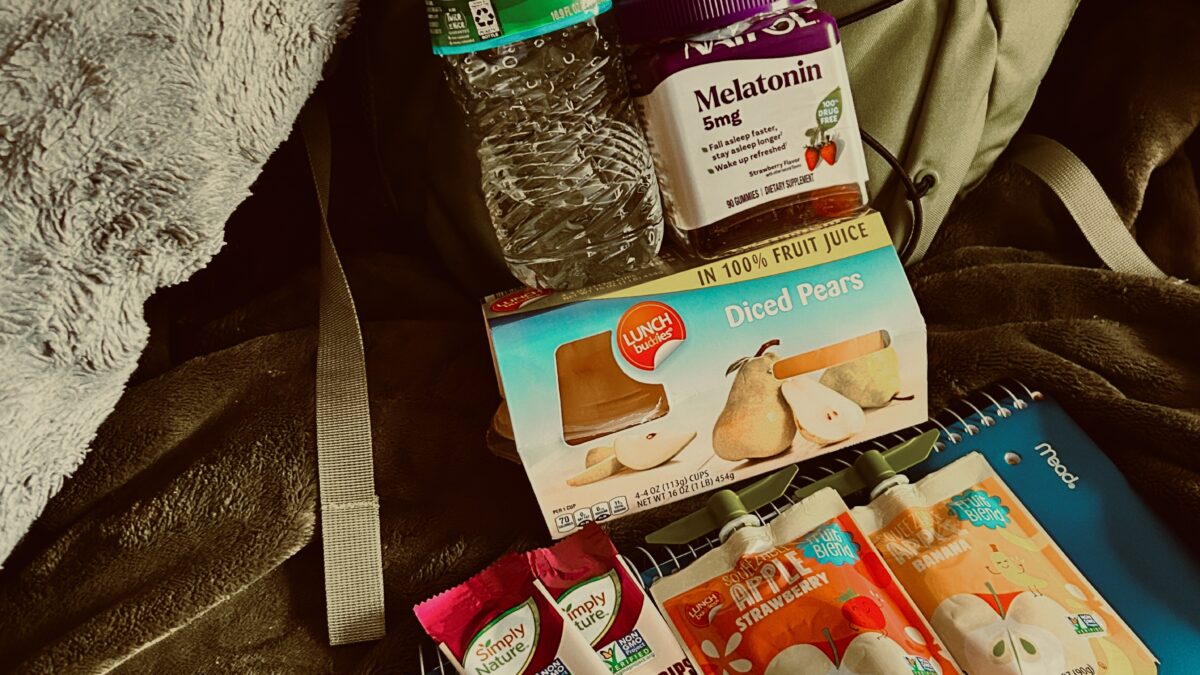
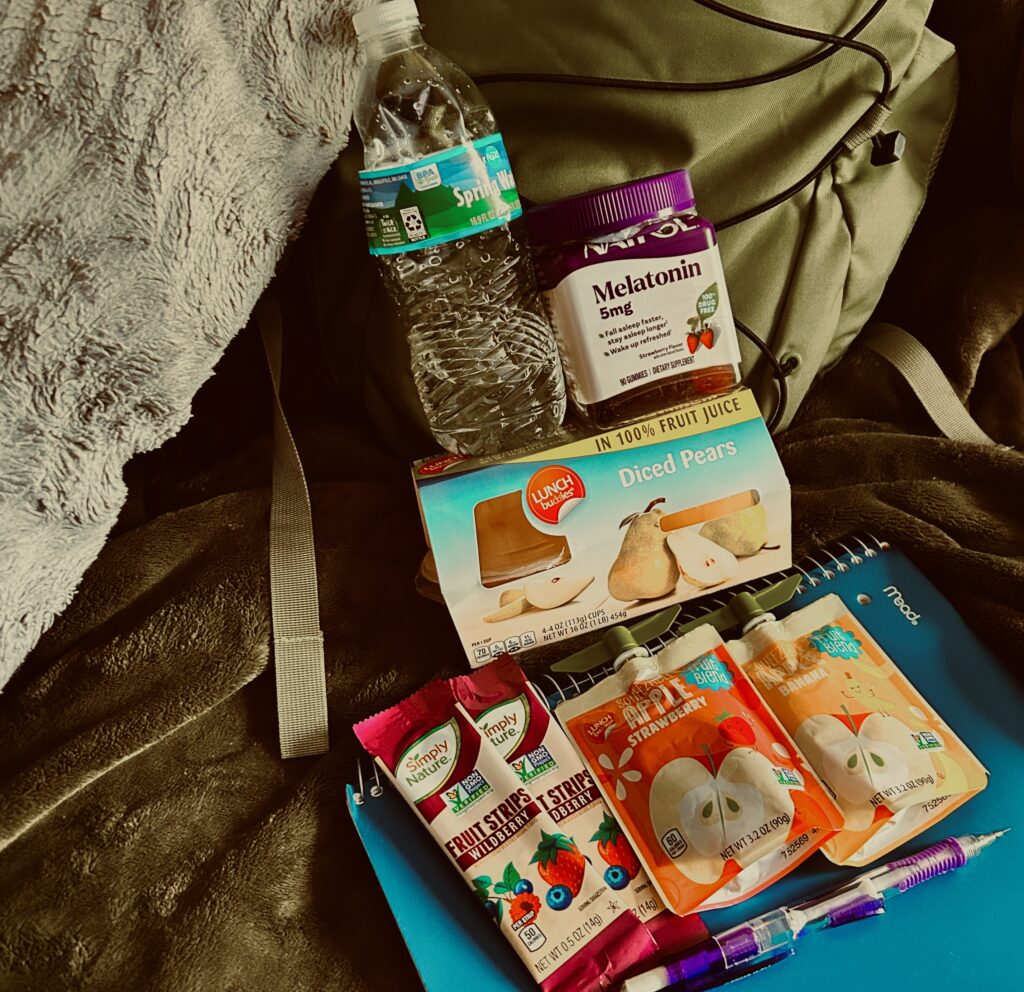
An array of snacks and medicine to help wind down after a long day. (Destiny Thompson)
As college students, we may believe we have good sleep patterns, but in reality, we’re missing key points to getting better quality sleep and restoring our energy at night. A 2021 study in Uruguay found that the longer students slept the night before a test, the better they scored — and the students who stayed awake all night studying typically did not pass. To make sure you’re fully rested for your finals, I suggest these three steps: Have a designated place to put your phone away, take melatonin early, and cut down on caffeine.
Tip #1: Put Your Phone to Bed
Having a specific spot to tuck away your phone at night will benefit your sleep. One study found that 83% of college students use their phone within an hour before going to sleep, and it’s no surprise that 95% of college students said they had trouble getting to sleep. Simply replying to a text or checking notifications can cause you to struggle getting back to sleep for the rest of the night. Instead, set timers for your phone to go into night mode, along with morning alarms to keep your day on a consistent schedule.
Tip #2: Time Your Melatonin
Melatonin is a hormone naturally produced by the body that helps regulate both when it’s time to go to sleep and when it’s time to wake up. If you struggle to sleep, I suggest a melatonin supplement to help the night go by more smoothly. When Italian researchers reviewed 26 studies on melatonin, they determined that the most effective dose is 4 milligrams, taken three hours before you want to go to sleep. Melatonin is not a long-term fix, and it should not be used every night. Instead, it helps best when you have fallen out of a sleep schedule and need to get back on a routine.
Tip #3: No Afternoon Caffeine
The caffeine in coffee and energy drinks helps you feel awake and alert during the day, but caffeine can also keep you up 45 minutes later at night, according to a study in the journal Sleep Medicine Reviews. The researchers examined 24 previous studies on caffeine and sleep, and concluded that you should stop drinking coffee, which has 100 milligrams of caffeine in 8 ounces, at least nine hours before you want to sleep at night. For energy drinks like Celsius, which have more than 200 milligrams of caffeine per can, the scientists say you shouldn’t drink them within 13 hours of bedtime. That means if you want to get to sleep by 11 p.m., you should stop sipping energy drinks before 10 a.m.