NCAA faces pressure to change compensation rules
In June of 2021, the Supreme Court ruled that the NCAA had been violating United States antitrust laws. Now, five months later, the NCAA is reportedly rewriting its constitution to allow college athletes to be compensated for the usage of their image and likeness.
“The NCAA is reacting to essentially two things: The decision of the Supreme Court, the NCAA vs. Alston decision,” said Steven Kowal, Elmhurst University adjunct professor. “And there were also the series of state laws that were passed that allow athletes to be compensated for the use of their name, image, and likeness.”
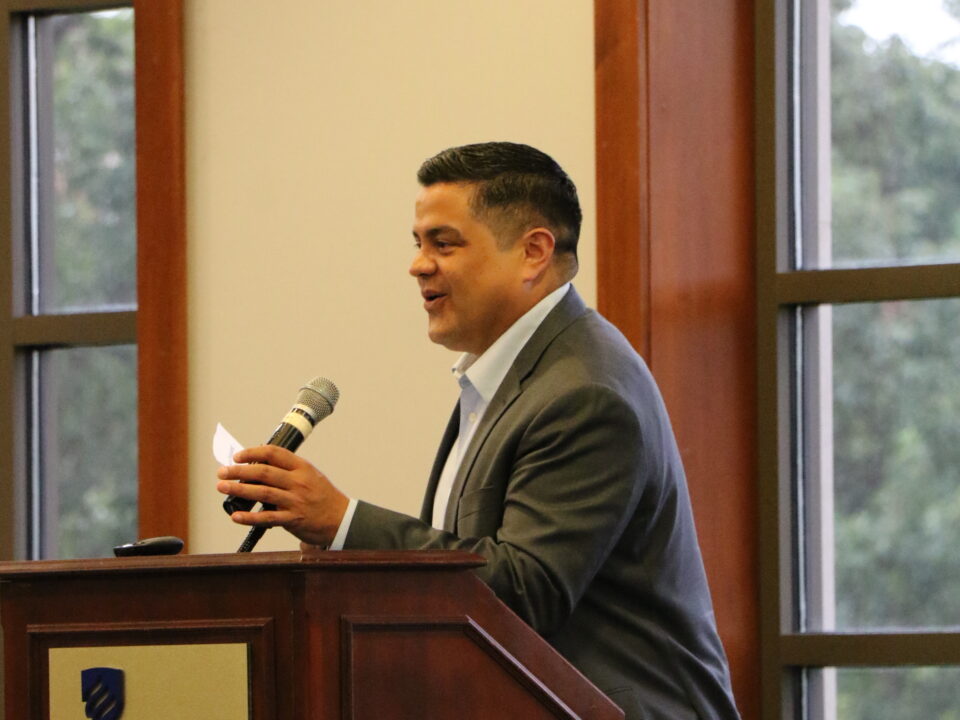
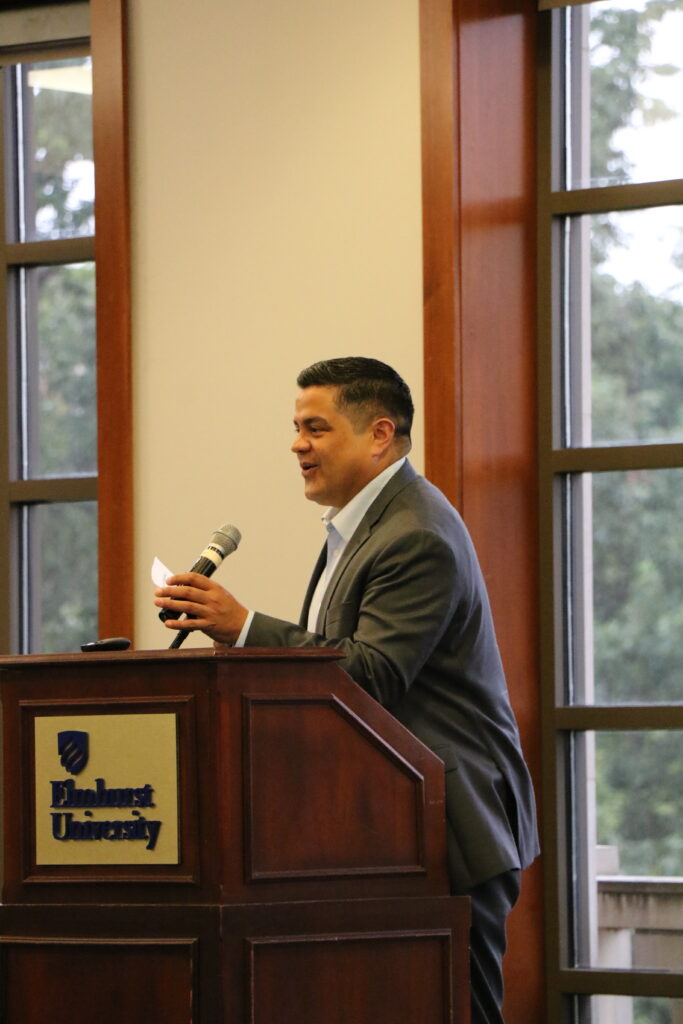
Kowal recently gave a lecture about the NCAA legal issues as a part of the Emerging Legal Issues series he does with Lisa Woods, EU pre-law advisor. He discussed the NCAA vs. Alston decision, which he says questioned the legality of compensation restrictions.
“On one hand, the NCAA is reacting [to the Alston decision] by liberalizing some of its compensation restrictions, and on the other hand it’s trying to get Congress to get it off the book on some of these issues that came up with the Supreme Court’s decision,” said Kowal.
The Washington Post reported on some of the new changes made to the NCAA’s constitution. One of these changes includes the allowance of NCAA athletes to profit off their name, image, and likeness, something that the NCAA has kept restricted.
The Washington Post also reported that the NCAA cannot limit educational benefits in order to preserve an amateur status. According to the report, such a choice put a large gash in the NCAA’s power in compensation.
“The Supreme Court ruled unanimously Monday against the NCAA’s limits on education-related perks for college athletes, a serious blow to the organization’s power to dictate the rules for compensating those who participate in college sports,” wrote the Washington Post in June of 2021.
The NCAA has seen a large decrease in regulator power, and the changes they make will affect the future of collegiate athletics for years to come.