
Rape Culture Is Everywhere, Even in Our Favorite Shows
When I was young, my mom suggested watching the so-called classic movie “Grease,” and I found myself disgusted watching an attempted rape on my TV screen.
In the scene, Danny attempts to force himself on Sandy in a car while at the drive-in theater. She screams and begs for him to stop, eventually finding a way to escape, but what came after was worse. Rather than truly owning his actions, Danny offers Sandy a casual apology like it was a minor argument, not life-altering trauma. Sandy forgives him, and they live happily ever after. The film portrayed Danny as a good guy, and the viewers were supposed to be rooting for the couple to end up together.
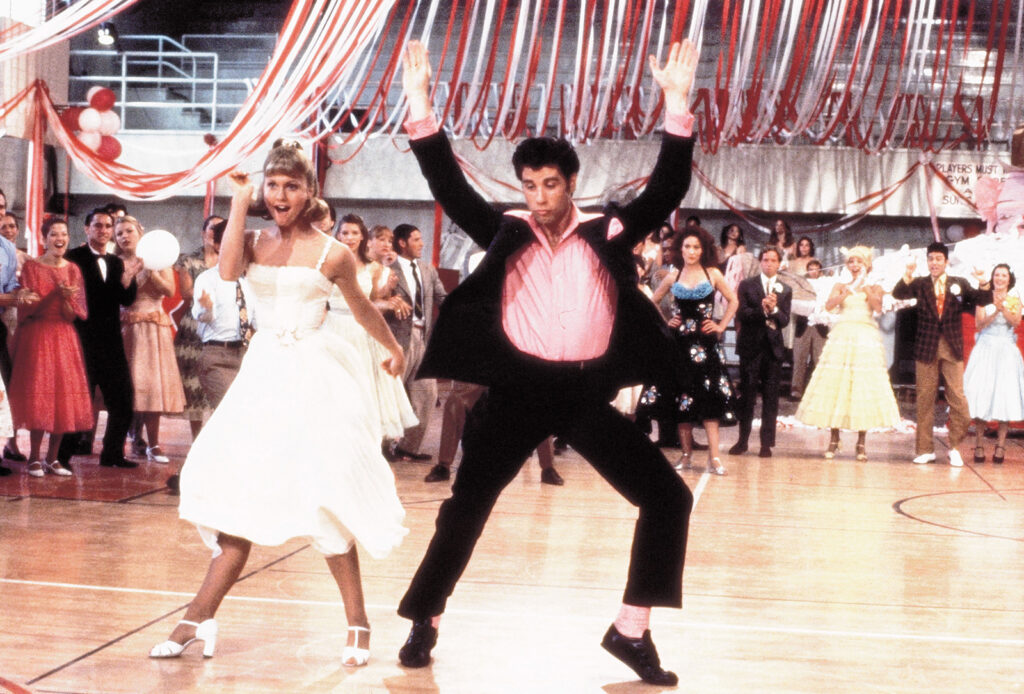
Olivia Newton-John, left, and John Travolta in “Grease.” || Photo by Paramount Pictures/Zuma Press/TNS
The horrific gang rape lawsuit at Cornell University has sparked conversations on rape and sexual assault and its prevalence in society. The victim filed a lawsuit claiming she was raped by seven men while 57 other men in the fraternity group chat were aware and did nothing to stop the act.
People use just about any excuse to blame victims of sexual violence, whether it’s their appearance, being under the influence, or not fighting back hard enough; the list can go on forever. This victim blaming attitude is prevalent in western culture and is a large component of rape culture. Unfortunately, rape culture is everywhere, and is especially promoted in the media.
Our media often romanticizes or glosses over rape and sexual assault, promoting misogynistic and patriarchal ideologies, and portraying characters who behave that way as likable.
Of course problematic media does not automatically turn someone into a rapist, yet it promotes the wrong ideas about sexual assault and consent. This is especially harmful when seemingly innocent forms of media promote the acceptance of abusive behavior, because it can negatively influence a young person’s view of consent.
“Even in family shows like ‘Modern Family,’ there are moments that have given me pause,” Digital Media professor Kristyn Jo Benedyk said. “I did a quick search, and there are six episodes that feature nonconsensual kissing, and this is a comedy that we watch with kids.”
Some examples Benedyk referenced when interviewed included seasons six through eight of “Modern Family” when Ruben continually made physical advances on Alex, even though she repeatedly told him no, as well as Luke coercing girls at his school to kiss him by pretending to have emotional struggles so they’d feel sympathy towards him.
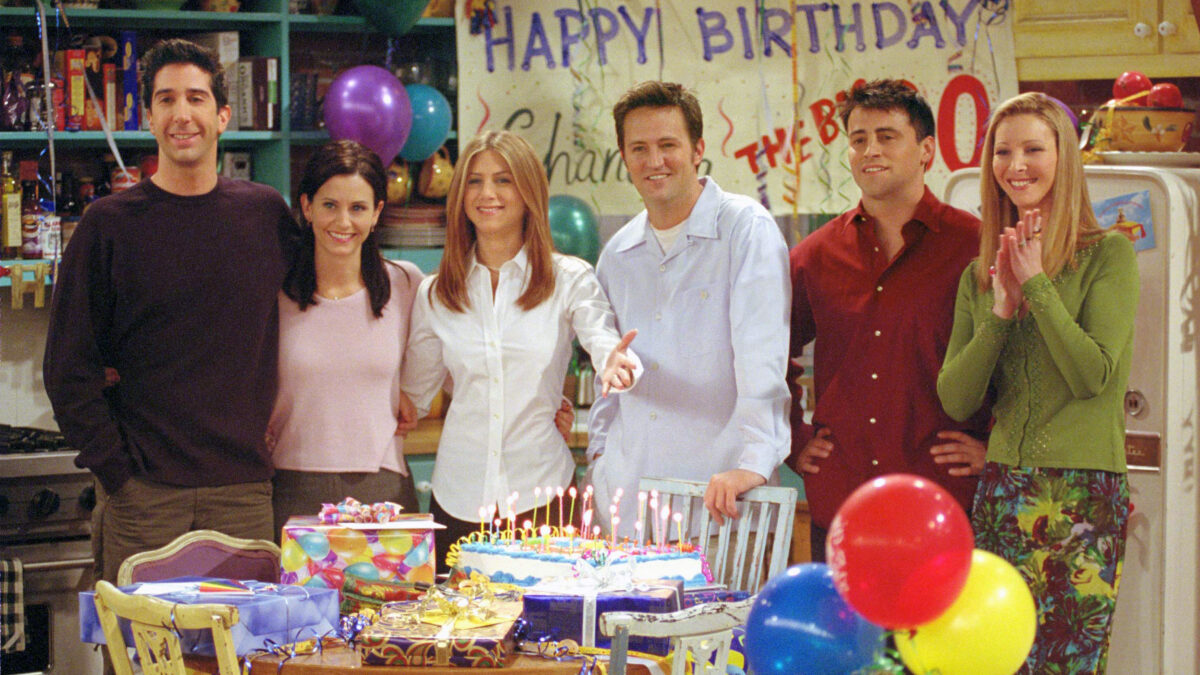
I watched “Friends” when I was 14, and though I still enjoy rewatching my favorite episodes, it is full of sexist jokes and many things the characters do are largely considered sexual assault like nonconsensual kissing and even sneaking up on each other in the shower. At one point in the show, Ross tries to make a pass at his female cousin.
The attitudes of the male characters towards their female friends are gross and not acceptable in real-life situations.
In episode nine of season six, titled “The One Where Ross Got High,” Joey’s roommate, Janine, invites him and Ross to Thanksgiving with her and her dancer friends. Joey and Ross are super excited to go, because Janine tells them, “None of us know how to cook, we’ll probably just end up drinking all day,” implying that they know women will want to sleep with them when their inhibitions are lowered. Later on, when talking about the drunk women, Joey tells Ross: “Dude, they’re not objects… Just kidding!”
Monica, Rachel, and Phoebe are angry with Joey and Ross, but only because they promised to go to Monica’s for Thanksgiving, not because they planned on preying on drunk women. This plot completely disregards the malicious intent Joey and Ross had when wanting to attend Janine’s party.
Though collective acceptance of this kind of behavior and rhetoric was higher than today’s standards, it doesn’t excuse the harmful message in this episode.
Imagine a teenager watching “Friends,” whose parents never talked about sex or consent at home. A few years later, they’re at a party, and their crush is drunk. They take advantage of them because they were never taught that it isn’t right to do so.

From left to right: David Schwimmer as Ross Geller, Courteney Cox as Monica Geller, Jennifer Aniston as Rachel Cook, Matthew Perry as Chandler Bing, Matt LeBlanc as Joey Tribbiani, and Lisa Kudrow as Phoebe Buffay in “Friends.” || Photo by Warner Bros. Television/TNS
Not only does this continue the cycle of abuse accepted by the majority of people, victims of sexual assault are also harmed because they may see this in a show and invalidate their own experience if they were under the influence. If they wereassaulted by a romantic partner, they may even stay in that relationship because they don’t realize what happened to them was assault. When I watched “Friends” at 14, I thought a guy who took advantage of a drunk girl was just being a jerk, not a sexual predator.
Benedyk said that a lot of “classic” films romanticize sexual assault, and gave the example of “Sixteen Candles.” Jake’s girlfriend Caroline is passed out in his room at a party and tells his friend Ted: “I have Caroline in the bedroom right now passed out cold. I could violate her in 10 different ways if I wanted to.”
Jake then lets Ted take her home, and essentially gives him free rein to sexually abuse her because he plans on breaking up with her anyways. The next morning, Caroline wakes up in his car with no memory of the event. Ted lies to her and tells her they had sex, and she accepts it and acts like it’s not even a big deal.
Similarly in “The Breakfast Club,” also directed by John Hughes, Bender sexually harasses Claire for the entire film, only for them to end up as a couple. This teaches men that they will get the women they desire if they treat them poorly. Inversely, it teaches women that when men treat them poorly, it’s because the man is attracted to them, further reinforcing the cycle of abuse.
Many shows portray sexual assault as a bad thing, but heavily downplay it, treating it like a character flaw rather than a crime. In the first episode of “Gossip Girl,” Chuck Bass tries to force himself on both Serena and Jenny. His actions aren’t condoned, especially when Jenny’s brother Dan punches him. Yet the sexual assaults are brushed off, and the show’s plot completely ignores those actions. Chuck becomes a likable protagonist, who’s always surrounded by women and sometimes he just can’t control himself. His friends make fun of him for this behavior, but they don’t hold him accountable for his actions.
In season one episode two of “Gossip Girl,” Jenny blames herself. She tells Dan she feels stupid for thinking Chuck just wanted to talk to her and didn’t want anything more. She visits Blair because she’s scared Chuck is spreading negative information about her. To which Blair tells Jenny, “Chuck likes to brag about his conquests, not his victims.” This implies that Chuck has a history of assaulting women, and Blair still falls in love with him and marries him in the end. Just like “The Breakfast Club,” this reinforces this common ideology in men treating women badly attracts them even more.
Many shows geared towards teenagers feature relationships between adults and minors. In season two of “Gossip Girl,” a 17-year-old Nate is groomed and manipulated by an older woman. She is considered a villain on the show because she causes a lot of drama, but not a sexual abuser.
In “Pretty Little Liars,” the main characters are taken advantage of by multiple adult men when they’re teenagers, the most significant being 16-year-old Aria Montgomery and her English teacher, Ezra Fitz. Looking back, I’m disgusted that my 12-year-old self thought they were a cute couple, but the show portrayed their relationship as normal.
There’s no shame in enjoying shows and movies like these. But what can we do, as consumers, about rape culture in media? The most important thing is to examine the media critically and acknowledge the problematic content.
Benedyk praised her students for calling out problematic material when discussing films in class.
“It has been really refreshing to see my students calling out problematic issues in films. For example, I showed the film ‘Comet.’ When I first saw it, I thought it was a fun and romantic movie. My students, however, all immediately called out that it is a toxic, borderline emotionally abusive relationship. It gives me so much hope to see this and know that this generation is setting higher standards for themselves on how to be treated.”
It’s important for parents to talk about consent with their children from a young age, and identify problematic behaviors as a way to teach their children to not treat their peers or anyone else negatively. Kids copy things they see in the media, so it’s important that they’re educated on consent and how to treat people with respect.
If we censored all problematic media, there wouldn’t be a lot of movies and shows left. Instead, we should talk about it, call out rape culture and misogyny, and use critical thinking in order to remove it in the media. By doing this, we help diminish the negative influence that media has on our youth and ourselves, and remove the power of this kind of behavior in our society.