“The Social Reckoning”: How Meta Pushed Hate
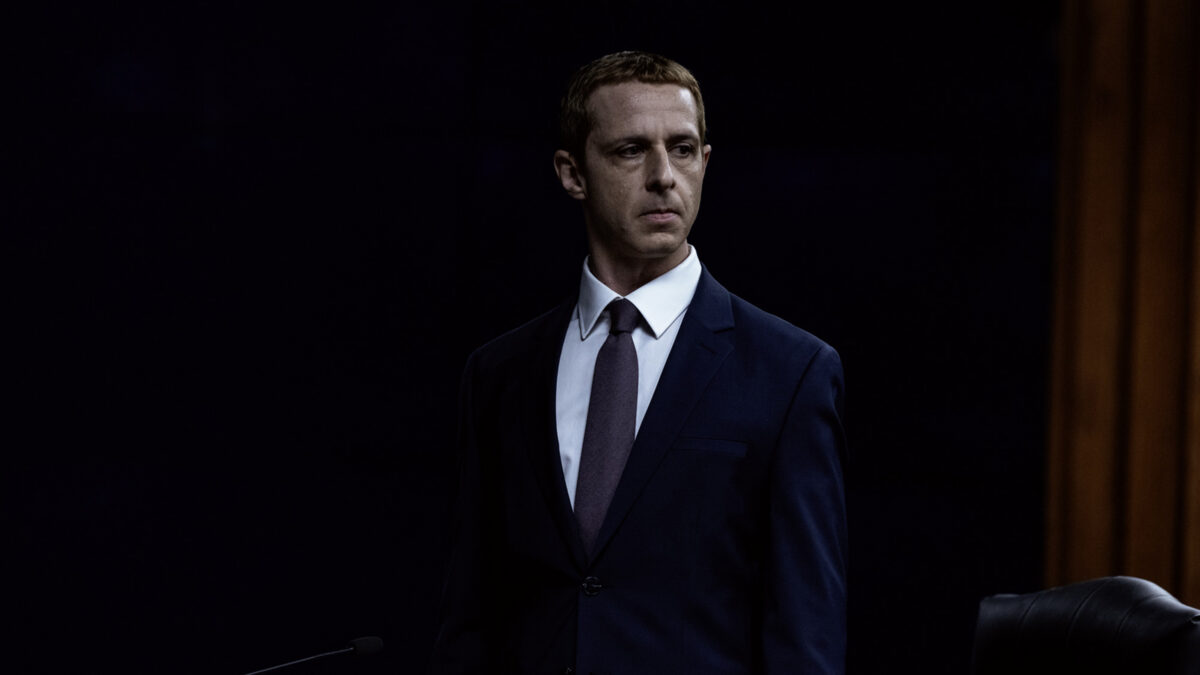
Jeremy Strong as Mark Zuckerberg in the movie “The Social Reckoning.” // Photo by Columbia Pictures/Sony Pictures/TNS
The world we live in is filled with hate, and we have grown too accustomed to it. When this hate is on social media, we can just swipe away and it seems like we are not supporting these biases. Yet, the world of social media and the world outside of it seems to be more intertwined than ever.
“The Social Reckoning” is not your average sequel. Written by Aaron Sorkin, who wrote “The Social Network,” the first Facebook movie, the film opens with a drunk woman with her car burned out on the side of the road being approached by police, and the encounter quickly turns ugly. Once she refuses a field sobriety test for the second time and does not offer identification, she begins to record the officers, who are Black and Hispanic, and begins to antagonize them with racial epithets. She was radicalized by a Facebook group and posted this video to this same group.
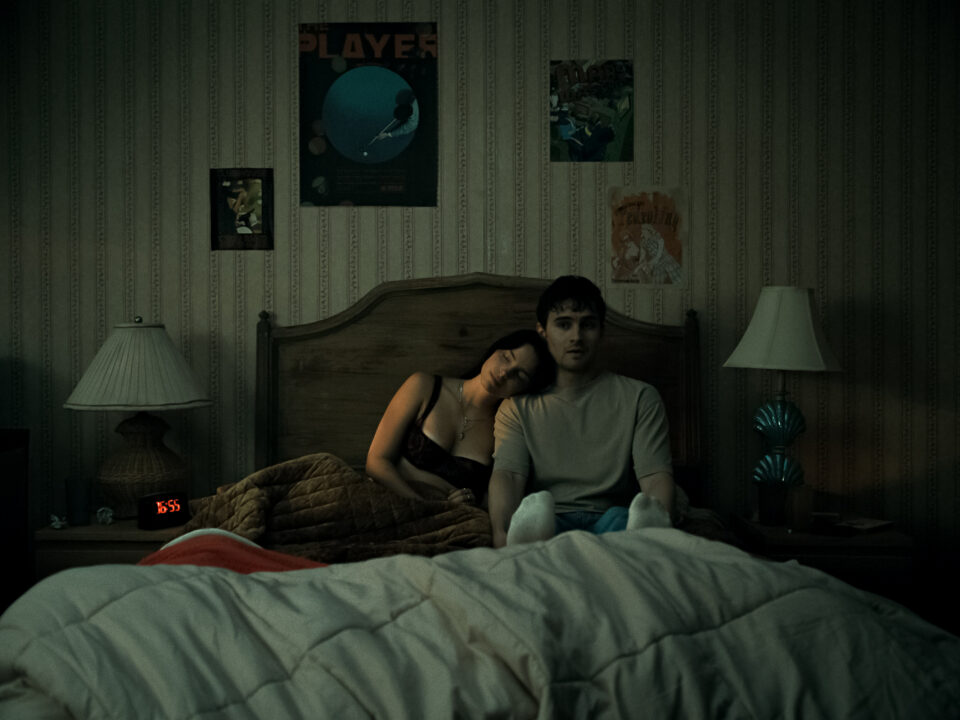
Frances Haugen, played by Mikey Madison, is a data scientist who recognized the woman from her personal life and began to investigate how she, and others, became radicalized. This begins her journey with Jeff Horwitz (played by Jeremy Allen White), who is a tech reporter for The Wall Street Journal. Haugen eventually left Facebook and testified before Congress on Facebook’s and Meta’s algorithmic practices.
This movie brought us through the struggle kids growing up with this technology had to deal with and the increased bullying that came with it. Growing up, my friends and I fell victim to social media accounts being made with the sole purpose being to spread hate about us. This movie shows us the two worlds of Haugen, who wanted to work with Facebook and Meta and believed in their mission while also fighting against them and believing their practices were wrong.
During the film, Haugen and Horwitz had a very close relationship that bordered on romantic, which, as a journalist, I think crosses a very thin ethical line with your source. This is one of the parts of the movie I believe was most likely inaccurate or confusing. One scene that shows their impractical relationship is when Haugen visits Horwitz in his hotel room in an outfit meant for a date, so anyone who saw her believed she was going on a date rather than seeing a journalist.
The movie also flips between topics, which makes it slightly confusing. One minute they were discussing how the algorithms push people into hate groups on Facebook, then they jump to a discussion of cyberbullying on Facebook and Meta platforms like Instagram. They also jump back and forward in time very quickly, and it seemed random and left me feeling confused. The film did show a timeline of events when they skipped time, so it was helpful to keep track but ultimately was still hard to put it all together.
The movie definitely provided incredible insight into how much we as a culture are controlled by these companies. If it was more centered on one topic rather than jumping between topics and different eras of the scandal, it would have been much easier to appreciate the movie the way it deserves. The movie itself was a wonderful branch off from “The Social Network.” If they had truly solidified their focus, I think it could have become a mainstream success like its predecessor.